

 Phone
Phone Email
Email WhatsApp
 Facebook
 Youtube


Custom Heavyweight Hoodie Manufacturer: Why Weight Alone Does Not Create a Premium Hoodie
Custom Heavyweight Hoodie Manufacturer: Why Weight Alone Does Not Create a Premium Hoodie

A heavyweight hoodie can feel impressive before anyone puts it on.
The fabric is thick. The hood looks substantial. The folded garment feels heavier than an ordinary sweatshirt, and that weight immediately suggests value.
But weight can also hide problems.
A hoodie may be heavy without being dense. It may feel substantial in the hand but lose shape after washing. The hood may pull the neckline backward. Thick seams may become uncomfortable around the shoulders. The rib may be too weak to support the body, or the oversized pattern may create unnecessary bulk instead of an intentional streetwear silhouette.
For clothing brands, selecting a custom heavyweight hoodie manufacturer should therefore involve more than requesting a high GSM fabric.
A successful heavyweight hoodie is the result of fabric structure, pattern engineering, shrinkage control, construction and finishing working together. The objective is not to produce the heaviest garment possible. It is to create a hoodie that feels substantial while remaining comfortable, wearable and consistent in bulk production.
Heavyweight Is a Product Direction, Not Just a Number
GSM is useful when discussing sweatshirt fabrics, but it does not describe the complete product.
Two fabrics with the same nominal weight can perform very differently. One may be tightly knitted, compact and structured. Another may feel thick because it has a loose construction or highly brushed interior.
The first fabric may hold a boxy silhouette well. The second may drape more softly and lose some of its shape during wear.
Brands should evaluate more than fabric weight:
- Knitting density
- Cotton and polyester content
- Surface smoothness
- Interior brushing
- Stretch and recovery
- Shrinkage
- Pilling resistance
- Fabric drape
- Color stability
- Hand feel after washing
A dense midweight fabric can sometimes feel more premium than a heavier but loosely constructed alternative.
The fabric should be selected according to the hoodie the brand wants to create, rather than according to the largest GSM number available.
Define the Wearing Experience First

Before choosing the fabric, a brand should decide how the customer is expected to wear the hoodie.
A heavyweight streetwear hoodie may need a wide body, drop shoulders and enough structure to maintain a boxy silhouette. A premium everyday hoodie may need weight without extreme volume. A winter hoodie may prioritize warmth, while a gym lifestyle hoodie may need easier movement and better breathability.
Useful development questions include:
- Is the hoodie intended as an outer layer?
- Will it be worn under a jacket?
- Should the body feel structured or relaxed?
- Is the fit regular, oversized or boxy?
- Will the garment be washed or garment-dyed?
- Does the customer expect warmth or year-round wear?
- Will the design include large printing or embroidery?
- Is the product intended for men, women or a unisex market?
These answers help determine the appropriate fabric, fit and construction.
Fabric Density Controls the Silhouette
Heavyweight streetwear hoodies often rely on a strong silhouette.
A structured body requires enough fabric density to support the shoulder, sleeves, pocket and hood. If the fabric is heavy but very soft, it may fall differently from the reference design.
For a boxy hoodie, brands may prefer:
- A compact outer surface
- Controlled horizontal stretch
- Stable body width
- Strong recovery
- Enough thickness to hold the shoulder line
- Limited distortion after washing
For a softer oversized hoodie, more drape may be desirable.
Neither direction is wrong. The important point is that the fabric behavior should match the intended shape.
The first sample should be evaluated on a person, not only folded on a table. Fabric structure becomes much easier to understand once the hoodie is worn.
Cotton Content Affects More Than Softness

High-cotton fleece is popular because it provides a natural hand feel and a premium casualwear appearance.
However, cotton-rich fabrics may require more attention to shrinkage, twisting and color changes. Cotton-polyester blends can improve dimensional stability and easy care, depending on the fabric construction.
The correct composition depends on the product.
A vintage-inspired hoodie may benefit from a high-cotton surface that reacts well to garment washing. A commercially consistent basic hoodie may use a blend to improve stability. A brand focused on natural hand feel may prioritize cotton content while accepting the need for more extensive wash testing.
Composition should not be evaluated independently from knitting, finishing and washing.
An Oversized Fit Must Be Designed Around the Fabric
Heavy fabric exaggerates pattern problems.
If the armhole is too deep, the hoodie may feel difficult to move in. If the sleeves are excessively wide, thick folds can gather above the cuffs. If the body is both very wide and very long, the garment may feel heavy rather than relaxed.
Important fit points include:
- Shoulder drop
- Chest width
- Body length
- Armhole depth
- Sleeve width
- Sleeve length
- Hood dimensions
- Pocket position
- Hem opening
A heavyweight oversized hoodie should not simply be a larger version of a regular hoodie.
The proportions must be adjusted so that the body feels wide without becoming shapeless. The sleeve should have volume but remain practical. The length should work with the pants and overall styling of the collection.
The Hood Must Be Balanced with the Body
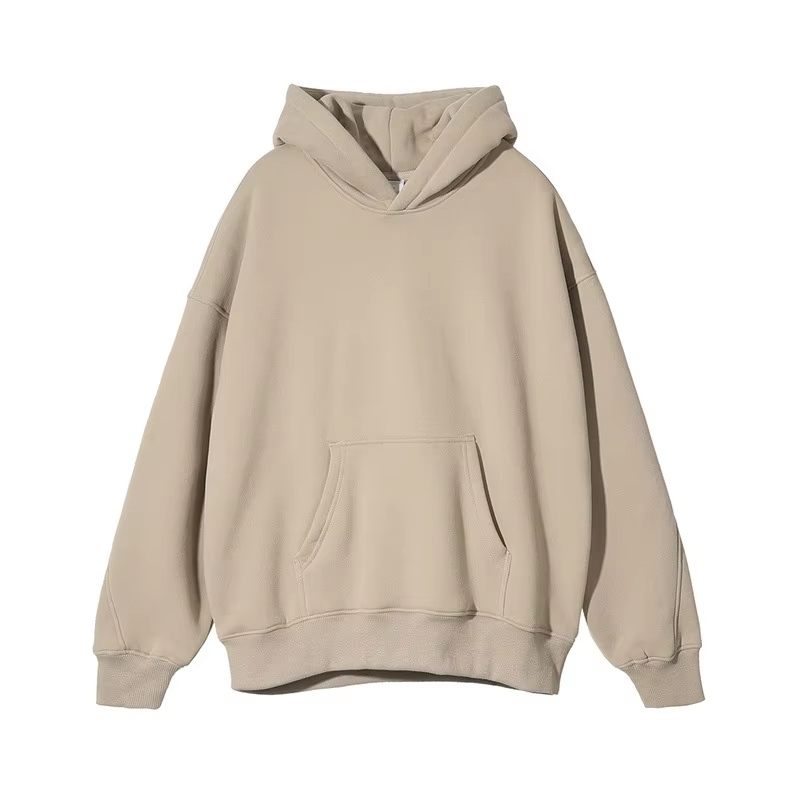
A small hood can look weak on a heavyweight hoodie. A very large double-layer hood can create the opposite problem.
The weight of the hood may pull the neckline backward, causing pressure at the front of the neck. Thick hood seams can also become bulky where they join the body.
The manufacturer should consider:
- Single-layer or double-layer construction
- Hood height and depth
- Face opening
- Neckline shape
- Hood lining
- Drawcord weight
- Centre seam
- Seam bulk
The hood should feel substantial without controlling the position of the entire garment.
A sample should be tested with the hood both up and down. The wearer should also walk and sit in it, because hood balance is not always obvious during a short fitting.
Rib Quality Can Change the Whole Hoodie
Rib cuffs and hems carry more responsibility in a heavyweight garment.
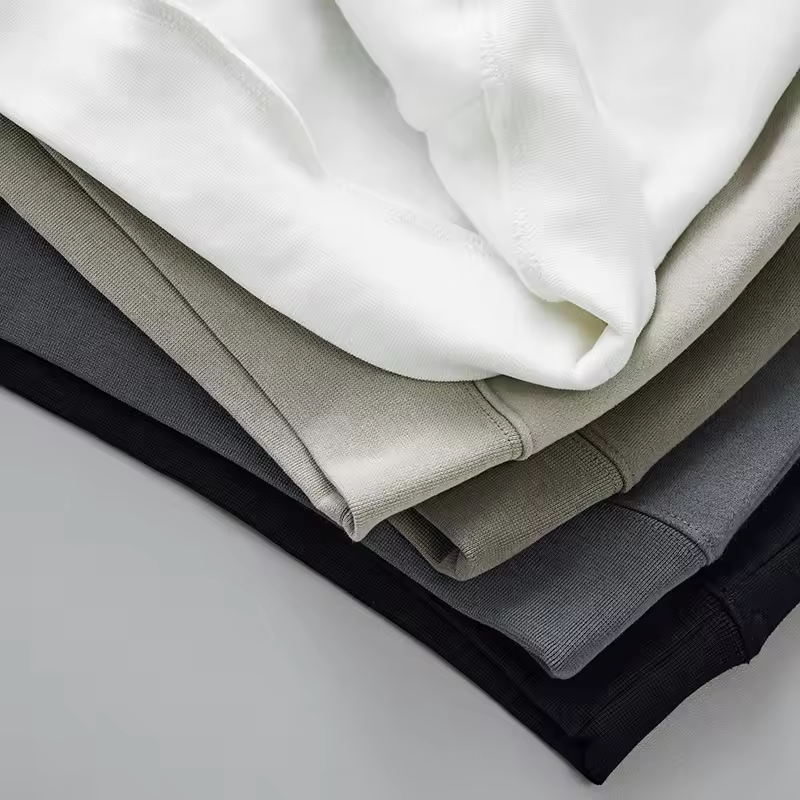
Weak rib can lose recovery quickly. Rib that is too tight may pull a wide body inward and create an unwanted balloon shape. If the cuff opening is too small, thick sleeve fabric gathers excessively around the wrist.
Brands should check:
- Rib composition
- Rib weight
- Stretch recovery
- Cuff height
- Hem height
- Finished opening
- Color matching
- Shrinkage relative to the main fabric
The rib should support the intended silhouette.
A traditional streetwear hoodie may use a substantial rib hem. A cleaner boxy hoodie may use a looser rib, straight hem or alternative construction.
Pocket Construction Needs Extra Attention
A heavyweight kangaroo pocket adds another layer of thick fabric across the front body.
If the pocket is too large or positioned too low, it may pull the front downward. Thick seam allowances can create hard corners, while weak pocket reinforcement may fail when customers carry phones and other items.
The pocket should be scaled to the body and tested in actual use.
A brand may also choose side-seam or hidden pockets when it wants a cleaner front. These alternatives can reduce visual bulk, but they still need practical pocket bags and secure construction.
Printing and Embroidery Must Match the Surface
Heavyweight hoodies are often used for screen printing, puff printing, embroidery, appliqué and patches.
The fabric surface affects every decoration method.
A smooth, compact face generally supports cleaner printing. A heavily textured or brushed surface may reduce fine detail. Dense embroidery can stiffen the garment, especially when a large filled logo is used.
Puff printing can complement a streetwear silhouette, but the brand should test:
- Print height
- Edge definition
- Adhesion
- Cracking
- Washing
- Fabric distortion
Large back artwork should also be reviewed with the hood down, because the hood may cover an important section of the design.
Garment Washing Changes the Product
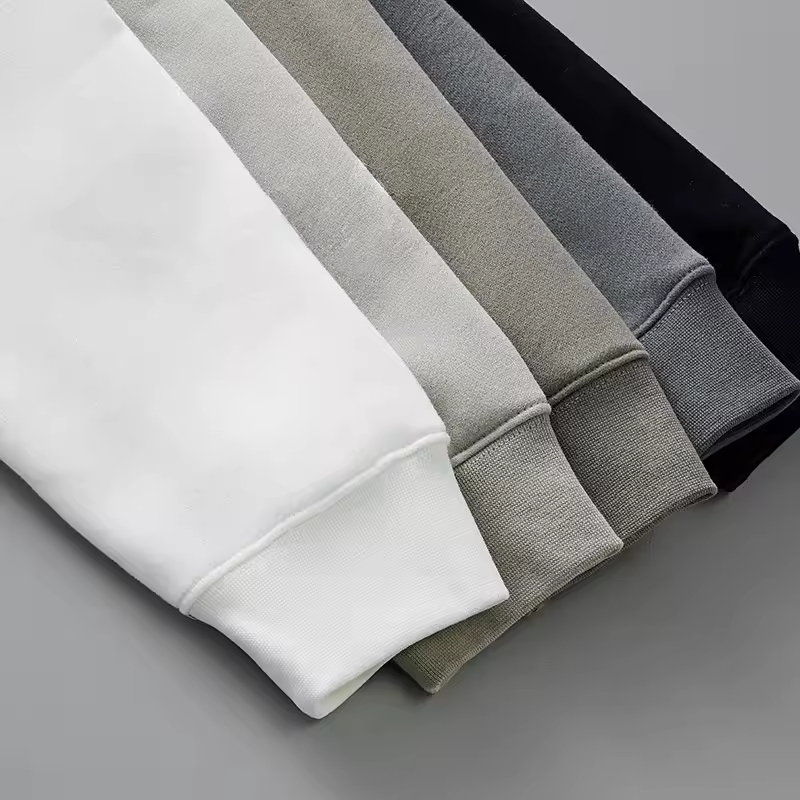
Pigment dyeing, acid washing, enzyme washing and vintage finishing can add character to heavyweight hoodies.
These treatments can also change:
- Garment measurements
- Surface softness
- Color intensity
- Rib appearance
- Seam definition
- Print performance
- Fabric strength
The brand should approve a complete treated sample rather than an untreated sample and a separate color swatch.
Natural variation may be acceptable in washed products, but the acceptable range should be defined before bulk production.
Wash Testing Is Essential
A heavyweight hoodie may look stable before washing and react differently afterward.
Brands should check:
- Body and sleeve shrinkage
- Shoulder width
- Side-seam twisting
- Hood deformation
- Rib recovery
- Zipper waviness, if applicable
- Surface pilling
- Colorfastness
- Print or embroidery performance
The washing method should reflect the care instructions that will be provided to customers.
A premium hoodie needs to remain premium after use, not only when it first leaves the factory.
Bulk Production Must Protect the Approved Fit
Once the sample is approved, the manufacturer must reproduce the same silhouette consistently.
Important controls include:
- Fabric-lot inspection
- Shade grouping
- Fabric relaxation
- Cutting accuracy
- Shoulder and sleeve measurements
- Hood dimensions
- Rib length
- Pocket position
- Decoration placement
- In-line sewing inspection
- Finished garment measurement
- Final wash appearance
A heavyweight garment can consume more fabric and require more careful handling than an ordinary hoodie. Correcting errors after production is often costly.
Early inspection is more useful than relying only on final repair.
Working with AOGU Activewear
AOGU Activewear manufactures hoodies, sweatshirts, T-shirts, activewear and related apparel, and its public website describes OEM/ODM and sample-development capabilities. The website also displays heavyweight and oversized hoodie products, providing an existing foundation for this category.
For custom heavyweight hoodie projects, development can include fabric sourcing, pattern adjustment, hood construction, custom colors, printing, embroidery, private labels, sample revision and bulk manufacturing.
The aim should not be to make a hoodie heavy for the sake of a specification.
The aim is to create a substantial garment that feels appropriate for the customer, keeps its shape and represents the brand consistently.
Final Thoughts
A heavyweight hoodie earns its quality through balance.
The fabric should feel dense without becoming unnecessarily stiff. The pattern should provide volume without losing proportion. The hood should look substantial without pulling the neckline backward. The rib, pocket and decoration should support the garment rather than add uncontrolled bulk.
Choosing the right custom heavyweight hoodie manufacturer helps a brand manage these decisions before they become expensive production problems.
Customers may notice the weight first.
What makes them keep wearing the hoodie is everything the manufacturer did with that weight.