

 Phone
Phone Email
Email WhatsApp
 Facebook
 Youtube


Custom Polar Fleece Sweatshirt Manufacturer: How Brands Balance Warmth, Weight and Long-Term Wear
Custom Polar Fleece Sweatshirt Manufacturer: How Brands Balance Warmth, Weight and Long-Term Wear
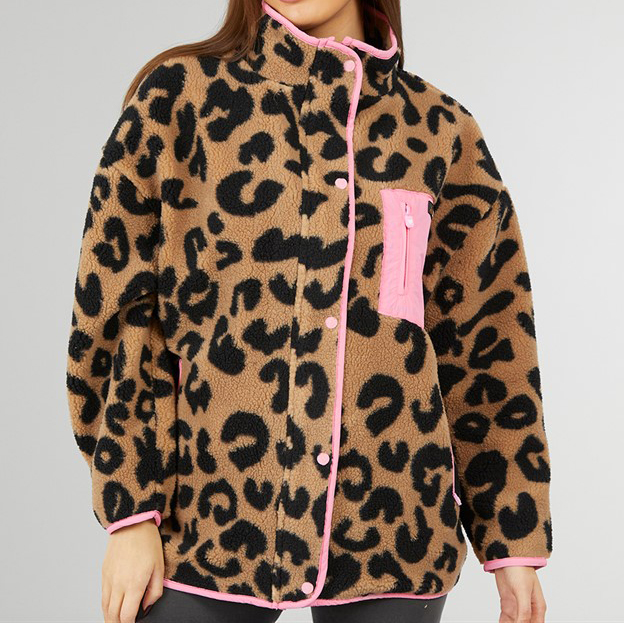
The first polar fleece sample often creates a strong impression.
It feels warm as soon as it is touched. The surface is soft, the fabric looks substantial, and the garment appears ready for cold weather. For a brand reviewing samples in a showroom, that immediate softness can make the decision seem easy.
But the real evaluation begins later.
What happens after the sweatshirt has been worn under a jacket for several hours? Does the surface begin to pill where the sleeve rubs against the body? Does the collar lose its shape? Does the garment feel warm but uncomfortably heavy? Does static build up when it is layered over another top? After several washes, does the fleece still look like the product the brand originally approved?
These questions explain why polar fleece development requires more than selecting a soft fabric.
A successful fleece sweatshirt must balance warmth, weight, breathability, surface durability, fit and wash performance. It should provide insulation without feeling unnecessarily bulky. The pile should remain attractive after repeated use. The cuffs, collar, zipper and pockets should work with the fabric rather than fight against it.
For clothing brands, working with an experienced custom polar fleece sweatshirt manufacturer helps turn these requirements into a product that can be sampled, tested and reproduced consistently.
Polar Fleece Is Not the Same as Traditional Sweatshirt Fleece
The word “fleece” can create confusion during product development.
Traditional sweatshirt fleece is often a knitted fabric with a smooth outer face and a brushed inner surface. It is commonly used for hoodies, crewneck sweatshirts and sweatpants.
Polar fleece has a different appearance and wearing experience. Its raised surface is usually visible on one or both sides, giving the fabric a soft, insulating texture. Depending on its construction, it may be used for pullovers, half-zip tops, outdoor layers, jackets, vests and casual cold-weather clothing.
This distinction matters because the two materials do not behave the same way during production.
A conventional cotton-blend sweatshirt fabric may rely on rib cuffs and hems to create shape. Polar fleece may require elastic binding, woven reinforcement, adjustable drawcords or different seam treatments. Its pile can hide some stitching while making other construction problems more visible.
Before development begins, the brand and manufacturer should agree on what “fleece sweatshirt” means for the project.
Is it a classic crewneck sweatshirt made from polar fleece?
Is it a quarter-zip pullover with a stand collar?
Is it a relaxed outdoor layer with a woven chest pocket?
Is it a lightweight fleece designed to sit under a jacket?
The answer changes the fabric, pattern, trims and manufacturing method.
Start with the Product’s Real Purpose

Polar fleece can be used in many markets, but one fabric specification will not suit every product.
A lightweight travel pullover should not be developed in the same way as a heavy outdoor layer. A promotional fleece for staff uniforms may prioritize durability and easy care. A premium lifestyle brand may care more about hand feel, clean construction and refined color. A streetwear label may want an oversized silhouette, contrasting panels and a heavier visual presence.
Before choosing fabric, a brand should define when and how the garment will be worn.
Useful questions include:
- Is it intended as an outer layer or a mid-layer?
- Will customers wear it indoors, outdoors or both?
- Is the main priority warmth, low weight or durability?
- Should the fit be regular, relaxed, oversized or cropped?
- Does the garment need a zipper for ventilation?
- Will it be used for hiking, travel, work, casualwear or streetwear?
- Does the brand want a smooth technical appearance or a more textured outdoor look?
- What retail price and customer expectation must the product meet?
A clear use case makes later decisions more practical.
Without one, brands often select the softest or thickest fabric in the sample book and only discover later that it does not suit the intended garment.
Warmth Is Not Determined by Thickness Alone
It is easy to assume that a thicker fleece will always create a better cold-weather product.
In reality, the customer experiences the complete garment, not only the fabric thickness.
Pile density, fabric construction, air retention, garment fit, collar coverage, cuff design and layering space all influence warmth. A dense midweight fleece may sometimes feel more useful than a very thick but loose material.
Excessive thickness can also create problems.
A bulky fabric may make the neckline uncomfortable. It can produce heavy seams around the shoulder and armhole. It may be difficult to layer under a jacket. The garment can feel warm while standing still but uncomfortable during movement.
Brands should therefore decide what type of warmth they need.
A lightweight fleece may be suitable for indoor use, transitional weather or layering.
A midweight fleece can work as an everyday pullover or casual outer layer.
A heavier fleece may suit winter collections, outdoor-inspired products or oversized streetwear, but it requires more careful pattern and seam development.
The best fabric is not automatically the one with the highest weight. It is the one that supports the product’s actual purpose.
Fabric Weight Should Be Evaluated with Pile Density
GSM is useful when comparing fleece fabrics, but it does not describe the complete wearing experience.
Two polar fleece materials with similar GSM can feel different because of pile height, pile density, knitting structure and finishing.
One may feel compact, smooth and stable. Another may feel fluffy, light and more open. A third may look thick but compress easily under pressure.
When reviewing fabric, brands should consider:
- Fabric weight
- Pile height
- Pile density
- Surface softness
- Thickness under compression
- Stretch
- Recovery
- Breathability
- Wind resistance
- Drape
- Shrinkage
- Pilling performance
A fabric swatch should not be approved only by touching it once.
Fold it. Stretch it. Rub the surface. Compress it. Place it against another garment. Look at it under different lighting. If possible, wash it before making the final decision.
These simple checks reveal more than a GSM number alone.
Single-Sided and Double-Sided Fleece Create Different Products
Polar fleece can be developed with different surface structures.
A double-sided fleece provides a soft pile on both sides. It can feel warm and comfortable directly against the body and may work well for casual pullovers and relaxed outdoor layers.
A fabric with a smoother inner or outer face may offer a cleaner appearance and make certain sewing or branding methods easier. Some constructions combine a soft fleece side with a more stable face for added structure.
The choice affects more than hand feel.
A high-pile inner surface may catch against other layers when the customer puts the garment on. A very soft outer surface may pill more quickly in high-friction areas. A smoother face may support printing or patches better, while a textured face may give the garment a stronger outdoor character.
The brand should review both sides of the fabric and decide which one will face the body, which one will be visible and how each surface will react to seams, labels and decoration.
Anti-Pilling Performance Should Be Discussed Before Production

Pilling is one of the most common concerns with fleece products.
It often appears in areas where surfaces repeatedly rub together, such as:
- Under the arms
- Along the side body
- Near the cuffs
- Under backpack straps
- Around pocket openings
- Where the garment touches a jacket
- Along seat belt contact areas
A fleece sweatshirt can look excellent when new and still disappoint the customer after only a short period if the surface changes quickly.
Anti-pilling finishing can improve performance, but the result also depends on yarn quality, fabric construction, brushing and customer use. It should not be treated as a label that automatically guarantees permanent surface perfection.
Brands should ask the manufacturer what type of anti-pilling option is available and how the selected fabric performs after washing and abrasion.
The sample should be evaluated after real wear, not only after it leaves the production line.
For premium products, it may be worthwhile to compare several similar fleece fabrics rather than selecting the cheapest soft option.
Softness at First Touch Is Not the Same as Long-Term Quality
Very soft fleece can be commercially attractive because it creates an immediate reaction.
However, finishing processes that produce a highly fluffy surface may not always lead to the best long-term appearance. A loose pile can flatten, shed or pill. A more compact fleece may feel slightly less dramatic on the first touch but remain stable for longer.
This does not mean brands should avoid softness.
It means softness should be evaluated together with durability.
A useful sample review asks two questions:
- How does the fleece feel when new?
- How does it look and feel after repeated wear and washing?
The second question is often more important for customer satisfaction.
A clothing brand sells the experience of owning the garment, not only the experience of opening the package.
Shedding Can Affect Both Quality and Customer Perception

Some fleece materials release loose fibers, especially during early handling or washing.
A small amount may be expected depending on construction and finishing, but excessive shedding can create problems. Fibers may transfer to T-shirts worn underneath, become visible on dark garments or collect inside the packaging.
The brand should inspect both the outer and inner surfaces.
If the inside of a dark fleece leaves visible fibers on a light base layer, customers may interpret this as poor quality even when the garment remains structurally sound.
Pre-washing, fabric finishing and production cleaning can help, but the material itself must also be appropriate.
For dark colors, contrast testing is useful. Wear the sample over a white T-shirt and check whether fibers transfer. For light-colored fleece, test it against a dark base layer.
This small trial can reveal an issue before bulk production.
Static Electricity Is Part of the Wearing Experience
Synthetic fleece can generate static, especially in dry conditions or when layered with certain fabrics.
Static may cause the garment to cling, attract hair and dust, or create small shocks when the wearer touches another object. It is not always possible to eliminate it completely, but brands should understand how the selected material behaves.
Fabric finishing can influence static performance. So can the inner layer worn by the customer and the surrounding climate.
For a product intended for dry winter regions, static may be more noticeable than it is in humid conditions.
Brands can reduce customer frustration by choosing suitable material, testing the complete garment and providing realistic care instructions.
This issue is rarely visible in product photography, but it can affect how customers judge the garment after purchase.
Recycled Fleece Requires the Same Product Discipline
Recycled polyester fleece can support a brand’s material strategy, but a sustainability claim should not replace product testing.
The fabric still needs to meet expectations for softness, recovery, pilling, color consistency, shrinkage and durability. Recycled content does not automatically guarantee that every fleece will behave the same way.
Brands should confirm:
- Fiber composition
- Available certification or transaction documentation
- Fabric weight
- Surface finish
- Color options
- Pilling performance
- Wash behavior
- Minimum order requirements
- Whether repeat production can use a comparable material
The final product must still perform.
A customer may appreciate recycled content, but they will also expect the collar to hold its shape and the surface to remain presentable.
Responsible material selection and practical product quality should support each other.
Pattern Development Must Account for Fabric Bulk
A polar fleece sweatshirt should not simply use the same pattern as a thin jersey top.
The material takes up physical space. Thick seams, folded edges and layered areas can change comfort and appearance.
If the pattern is too close to the body, the sweatshirt may feel restrictive despite the softness of the fabric. If every measurement is enlarged without control, the product can become shapeless.
Important pattern areas include:
- Shoulder width
- Armhole depth
- Sleeve width
- Body ease
- Neck opening
- Collar shape
- Hem width
- Cuff opening
- Layering allowance
The intended underlayer matters.
A fleece designed to be worn over a T-shirt may need less room than one intended to sit over a sweatshirt or thermal base layer. An oversized streetwear fleece needs carefully controlled shoulder and sleeve proportions rather than simply a larger chest measurement.
The pattern should be evaluated on a real body with the intended layers underneath.
A Crewneck Fleece Requires a Clean Neckline
A crewneck polar fleece sweatshirt can look simple, but the neckline needs careful construction.
Traditional sweatshirt rib may not always create the desired appearance. Depending on the design, the neckline may use self-fabric, rib, elastic binding or woven reinforcement.
Each option changes the product.
Self-fabric can create a clean fleece appearance but may become bulky when folded. Rib offers stretch and familiar sweatshirt styling, but the color and texture must match the fleece. Elastic binding can feel more technical, while woven reinforcement can create an outdoor-inspired look.
The neck opening must also allow the garment to pass over the head comfortably.
A neckline that stretches during sewing may become wavy. One that is too tight may be uncomfortable. One that is too loose can make the sweatshirt look poorly made.
This area should be tested after washing because the binding, thread and fleece may react differently.
Stand Collars Need Enough Support Without Excessive Stiffness
Quarter-zip and half-zip fleece sweatshirts often use stand collars.
The collar contributes warmth and gives the product a recognizable outdoor or sportswear appearance. It also creates a concentration of fabric around the neck.
A double-layer fleece collar may feel warm but bulky. A single-layer collar may collapse. A woven inner facing can improve structure, but it changes the hand feel.
The correct solution depends on fabric thickness and design.
The collar should be checked in several positions:
- Fully zipped
- Partly open
- Fully open
- Folded outward
- Worn under an outer jacket
A collar that looks strong in a flat photograph may press against the chin when the customer moves. One that feels comfortable when open may not stand properly when closed.
Sample fitting should reflect how the garment will actually be worn.
Zipper Selection Must Match Fleece Weight
For half-zip, quarter-zip and full-zip fleece products, the zipper becomes part of the garment’s structure.
A lightweight zipper may look weak on thick fleece. A heavy zipper can distort a lightweight pullover. The zipper tape, teeth, slider and puller should all suit the fabric and brand direction.
The zipper opening can also help regulate heat.
For an active or outdoor product, customers may open the zipper during movement. The slider should operate smoothly with one hand, and the opening should not catch the inner facing.
Important details include:
- Zipper length
- Tooth size
- Tape color
- Puller design
- Chin protection
- Zipper garage
- Interior facing
- Bottom reinforcement
- Sewing tension
Fleece can stretch or compress during zipper installation. If it is pulled unevenly, the front opening may ripple.
The approved sample should be washed and rechecked because the fabric and zipper may not change in the same way.
Woven Panels Can Add Function and Visual Identity
Many contemporary fleece sweatshirts combine polar fleece with woven fabric.
A woven chest pocket, shoulder panel, elbow patch or collar facing can create an outdoor, utility or streetwear appearance. It can also reinforce high-wear areas.
However, combining materials creates new technical questions.
The fleece and woven fabric may have different shrinkage, stretch and color behavior. A rigid panel can restrict movement if it is placed incorrectly. A lightweight woven pocket can wrinkle against thick fleece. A heavy panel can pull the garment out of shape.
The color relationship also matters.
A tonal woven panel can feel clean and premium. A contrasting panel creates a stronger visual statement. Printed or camouflage woven sections can move the product toward streetwear or outdoor lifestyle positioning.
The materials should be washed and tested together before bulk production.
A contrast panel that looks perfect before washing but puckers afterward is not ready for approval.
Pocket Design Should Reflect Real Use
Fleece sweatshirts can include kangaroo pockets, side pockets, chest pockets or zippered utility pockets.
The correct choice depends on the customer.
A kangaroo pocket creates a casual pullover appearance and gives the hands a warm place to rest. Side pockets can look cleaner. A woven zippered chest pocket gives the product a technical outdoor identity. Hidden zipper pockets may be useful for travel.
Pocket placement needs to be tested on the body.
A chest pocket that is too low can look awkward. A kangaroo pocket that is too large may distort the front body. Side pockets with heavy zippers can pull on soft fleece.
The pocket bag also matters. Using thick fleece for every pocket layer can create excessive bulk. A lighter knit, mesh or woven pocket bag may provide a cleaner result.
A pocket should be useful without making the garment heavier than necessary.
Cuffs and Hems Control the Silhouette
Polar fleece does not always recover like rib fabric.
This makes cuff and hem construction important.
Possible cuff treatments include:
- Matching rib cuffs
- Elasticated fleece cuffs
- Stretch binding
- Woven adjustable tabs
- Open straight sleeves
- Internal elastic
The hem may use:
- Rib
- Elastic binding
- An adjustable drawcord
- A clean folded edge
- A shaped drop-tail construction
Each option changes the silhouette.
Rib creates a familiar sweatshirt shape. Elastic binding can feel more technical. An adjustable drawcord allows the customer to control airflow and shape. A straight hem produces a cleaner casual look but may allow more cold air to enter.
For outdoor-inspired garments, a slightly extended back hem can improve coverage. For streetwear, a drawcord may create a cropped or rounded silhouette.
The choice should follow the product’s purpose rather than habit.
Seam Bulk Should Be Controlled from the Beginning
Polar fleece can create thick seam allowances, especially where several layers meet.
Common problem areas include:
- Shoulder seams
- Collar joins
- Armholes
- Cuff attachment
- Pocket corners
- Zipper endings
- Hem intersections
If seam construction is not planned carefully, these areas can become stiff or uncomfortable.
The manufacturer may use different seam types, trimming methods, binding or coverstitch depending on the fabric and design. Decorative flatlock-style stitching can create an active or outdoor appearance, but the seam must remain comfortable.
The interior should be reviewed as closely as the exterior.
Customers may not see the inside in product photographs, but they feel it every time they wear the sweatshirt.
Embroidery Needs to Be Tested on the Actual Pile
Embroidery is a popular branding method for polar fleece because it can create a durable and premium appearance.
However, the raised pile can partially hide fine details. Small lettering may become less clear, and dense embroidery can compress the fabric around the logo.
The brand should consider:
- Logo size
- Stitch density
- Thread thickness
- Stabilizer
- Underlay
- Placement
- Pile height
- Interior comfort
A topping or stabilizing method may be needed to keep the stitches above the fleece surface. The backing should support the logo without creating a stiff or rough area inside the garment.
Simple logos often work better than extremely detailed artwork.
The embroidery sample should be evaluated after washing because the pile may rise around the design and change its appearance.
Heat-Transfer Logos Can React to the Fleece Surface
Heat-transfer branding can create a clean, modern look, but fleece requires careful testing.
The heat and pressure used during application may flatten the pile around the logo. This can leave a visible rectangular mark or shiny area. A highly textured surface may also reduce adhesion.
A transfer that works well on smooth activewear fabric may not perform the same way on polar fleece.
Before production, the manufacturer should test:
- Adhesion
- Edge lifting
- Stretch
- Heat marks
- Surface flattening
- Washing durability
- Color migration
For some fleece products, a woven patch, embroidery or silicone badge may be more suitable than a standard heat transfer.
The branding method should follow the fabric instead of forcing the fabric to accept a technique chosen earlier.
Patches and Badges Can Suit Outdoor-Inspired Fleece
Woven patches, rubber badges and small branded labels often work well on fleece products.
They provide clear logo visibility against a textured surface and can strengthen an outdoor or utility aesthetic.
Placement still matters.
A stiff badge placed on a highly flexible area can pull the fabric. A large patch on lightweight fleece may feel heavy. Sharp corners may lift if the attachment method is not secure.
Brands should check the patch from both the outside and inside. Stitching should be clean, and any backing should not irritate the wearer.
Subtle branding can be especially effective on polar fleece because the fabric texture already gives the product visual character.
Color Can Change How the Surface Appears
Polar fleece texture reflects light differently depending on the pile direction.
This can make the same color appear lighter or darker when viewed from another angle. Dark colors may show lint, dust or flattened areas more easily. Light colors may reveal stains and seam shadows.
Popular fleece directions often include:
- Black
- Charcoal
- Navy
- Olive
- Cream
- Stone
- Brown
- Rust
- Muted seasonal colors
- Color-block combinations
Color should be evaluated on the real fleece rather than only through a digital color reference.
For bulk production, pile direction must also be controlled during cutting. If one panel is cut in the opposite direction, it may appear to be a different shade even when it comes from the same fabric roll.
This is an important cutting-room issue that can be mistaken for a dyeing problem.
Cutting Direction Is Critical
Fleece has a visible nap or pile direction.
All major garment panels should normally be cut in a consistent direction unless the design intentionally uses contrast. If the front body, sleeve or pocket is reversed, the surface may catch light differently and look mismatched.
This means cutting efficiency cannot be the only priority.
The marker plan must respect pile direction. This can affect fabric consumption and cost, especially for oversized products or garments with large pattern pieces.
Brands should understand that nap-direction control may require more material than a fabric without visible pile.
Trying to save fabric by rotating pieces can create a finished product that looks inconsistent.
A professional manufacturer should account for this before pricing and bulk cutting.
Shrinkage May Be Low, but Dimensional Stability Still Matters
Polar fleece is often selected partly because it can be relatively easy to care for. However, the complete garment still contains seams, binding, elastic, zippers, woven panels and labels.
These components may react differently during washing.
The body may remain stable while the binding contracts. A woven chest pocket may shrink and pucker. A zipper may create waviness. The collar may twist if layers are not balanced.
The finished sample should therefore be wash-tested as a complete garment.
Important checks include:
- Body length
- Chest width
- Sleeve length
- Collar shape
- Zipper appearance
- Pocket shape
- Cuff recovery
- Hem stability
- Surface pilling
- Color change
- Seam twisting
A fabric report alone cannot predict every garment-level result.
Sample Review Should Include Layering
A polar fleece sweatshirt is often worn over another garment.
The sample should therefore be fitted with the intended base layer.
For a lightweight fleece, this may be a T-shirt or activewear top. For a winter pullover, it may be a long-sleeve thermal. For an oversized lifestyle style, it might be worn over a sweatshirt or hoodie.
Layering changes:
- Shoulder comfort
- Armhole movement
- Sleeve width
- Chest ease
- Neckline comfort
- Overall warmth
- Ease of dressing
A sample that fits perfectly over bare skin may feel too tight over a real winter layer.
Brands should also try the fleece under the outer jacket it is expected to accompany. Excessive sleeve or collar bulk may only become obvious at that stage.
Wear Testing Should Reproduce Friction
Pilling and surface wear often result from friction rather than washing alone.
A useful wear test can include:
- Wearing a backpack
- Layering under a jacket
- Sitting with a seat belt
- Repeated arm movement
- Carrying a shoulder bag
- Using the pockets
- Wearing the garment for several hours
Afterward, the team should inspect the underarms, side body, cuffs, shoulders and pocket openings.
This does not replace laboratory testing, but it gives the brand a practical understanding of the product.
A fleece that remains attractive on a hanger may react differently during real use.
Wash Testing Should Follow the Intended Care Instructions
Testing a sample under unrealistic conditions provides limited value.
The factory and brand should first define the expected care method. Then the sample can be washed according to those instructions.
The team should check:
- Whether the surface pills
- Whether the pile becomes flat
- Whether fibers shed
- Whether the garment twists
- Whether the zipper remains smooth
- Whether elastic recovers
- Whether woven panels pucker
- Whether embroidery changes
- Whether transfer logos peel
- Whether the color remains acceptable
The sample should be dried according to the intended care label as well.
High heat can affect some synthetic materials and trims. Care instructions should be based on the tested product rather than copied from another sweatshirt.
Bulk Production Must Control Fabric Lots
Fleece appearance can vary between production lots.
Differences may appear in color, pile height, softness, density or surface finish. Even when each lot meets a basic specification, mixing them within one garment or one customer order can create visible inconsistency.
The factory should inspect incoming fabric and manage lot separation.
For color-block products, all fabrics should be compared together. For repeat orders, the brand should understand that an exact match may require renewed color approval.
Bulk production controls may include:
- Roll inspection
- Shade grouping
- Pile-direction marking
- Fabric relaxation
- Cut-panel identification
- Lot separation
- In-line sewing checks
- Final appearance comparison
A reliable result begins before sewing.
Final Inspection Should Be Designed for Fleece Products
A standard garment inspection may not identify every polar fleece issue.
Inspectors should pay attention to:
- Uneven pile
- Reversed nap direction
- Excessive shedding
- Surface contamination
- Pilling
- Flattened heat marks
- Visible shade differences
- Twisted collars
- Wavy zippers
- Bulky seams
- Uneven binding
- Pocket distortion
- Logo clarity
- Finished measurements
- Correct labeling and packing
Dark fleece should be checked for lint. Light fleece should be checked for stains. Embroidered areas should be checked for pile coverage and interior comfort.
Inspection standards should reflect the product rather than treating it as an ordinary sweatshirt.
Packaging Should Protect the Pile
Heavy compression during packing can flatten fleece.
Some flattening may recover after the garment is unpacked, but excessive pressure can make the product appear less attractive when the customer first opens it.
The garment should be folded cleanly, fully dried and free from loose fibers. Packaging should protect it from dust and moisture.
For premium retail products, the way the fleece is presented can affect perceived value. A heavily compressed garment with visible lint may feel lower quality even when the construction is good.
Carton quantity and compression should therefore be planned with the fabric volume in mind.
One Good Fleece Block Can Support a Wider Collection
Once a brand develops a reliable fit and fleece specification, the product can support several related styles.
Possible extensions include:
- Crewneck fleece sweatshirts
- Quarter-zip pullovers
- Half-zip fleece tops
- Full-zip fleece jackets
- Fleece vests
- Matching fleece pants
- Fleece shorts
- Color-block outdoor styles
- Woven-panel utility products
- Lightweight travel fleece
- Heavyweight winter fleece
The same base fit can provide a starting point, but each variation still needs development.
Adding a zipper changes the front structure. Removing sleeves changes shoulder balance. Switching to a heavier fleece affects seam bulk and layering ease. Adding woven panels introduces shrinkage and stretch differences.
A product family should be built through controlled adaptation rather than copying one specification into every style.
Questions to Ask a Polar Fleece Sweatshirt Manufacturer
Before development begins, brands should ask practical questions.
Can the manufacturer provide lightweight, midweight and heavyweight polar fleece options?
Can it explain the differences in pile height, density and surface finish?
Are anti-pilling and recycled material options available?
Can the factory support crewneck, quarter-zip, half-zip and full-zip fleece styles?
Can it combine fleece with woven panels, mesh, rib or elastic binding?
How does it control pile direction during cutting?
Can it test embroidery, patches and heat-transfer logos on the actual fabric?
How does it manage shade differences between fleece rolls?
Can it test the complete garment after washing?
Can it develop patterns from a tech pack, reference sample or original idea?
Can it support private labels, custom colors, trims and packaging?
How does it inspect pilling, shedding and surface appearance during bulk production?
A useful manufacturer should answer these questions clearly and explain where the brand may need to make trade-offs.
For example, the softest fleece may not offer the best anti-pilling performance. The thickest fabric may not create the most comfortable layering garment. A large heat-transfer logo may not be suitable for a high-pile surface.
Honest production advice is more valuable than agreeing to every request.
Working with AOGU Activewear
AOGU Activewear produces sportswear, hoodies, jackets and related apparel and states that it offers OEM/ODM service supported by sample development capabilities. Its public website also includes polar fleece hoodie and fleece jacket product pages, providing an existing manufacturing foundation for fleece-related projects.
For brands searching for a custom polar fleece sweatshirt manufacturer, product development can include:
- Polar fleece sourcing
- Fabric weight selection
- Anti-pilling options
- Pattern development
- Crewneck and stand-collar construction
- Quarter-zip and half-zip styles
- Woven contrast panels
- Pocket development
- Embroidery and patch customization
- Private labels
- Custom colors
- Sample revision
- Size grading
- Bulk production
- Final inspection and packaging
Some brands need a lightweight fleece for travel and layering. Others want a midweight everyday pullover. Outdoor-inspired brands may require reinforced woven panels, zippered pockets and adjustable hems. Streetwear labels may prefer oversized proportions, heavier fabric and stronger color blocking.
These products should not come from one generic template.
Custom manufacturing should begin by defining the intended customer, climate, wearing situation, fit and performance priorities. The fabric and construction can then be selected around those requirements.
Polar fleece can feel simple because its main benefit is easy to understand: warmth without the structure of a heavy coat.
Producing a good fleece sweatshirt, however, requires a long series of controlled decisions.
The fabric needs enough density to feel reliable without becoming unnecessarily heavy. The surface should remain presentable after use. The pattern must allow layering. Collars, cuffs and hems should support the intended silhouette. Zippers and woven panels need to work with the fleece after washing. Branding should remain clear without damaging the pile.
Choosing the right custom polar fleece sweatshirt manufacturer helps a brand solve these questions before bulk production.
Customers may not know the fabric weight, pile direction or seam construction. They simply notice that the garment feels warm, moves comfortably and still looks good after repeated wear.
That uncomplicated experience is the result of careful manufacturing.
A strong polar fleece sweatshirt does not need to be the thickest product in the collection. It needs to be the product customers reach for whenever they need a reliable extra layer.
When warmth, weight, durability and fit are properly balanced, fleece can become more than a seasonal item. It can become one of the most frequently worn products in a brand’s collection.